
Northwest Academy has adopted a new leadership model this year. Instead of one head for both divisions, there are now four deans: two responsible for high school and two for middle school. The Deans of Studies oversee academic issues and communicate with parents, while the Deans of Students and Belonging communicate with students and help organize school events. All of the deans teach classes alongside their leadership responsibilities.
Rachael Torchia was the previous Head of Middle and High School, and NWA opted not to continue the role in its singular form this year. Previously Head of Middle School, Torchia held the combined position for a year after Joanne Kim, the previous Head of High School left.
“When we had one head of high school, that person had to oversee all the issues that came up with students and all the issues that came up with teachers and all the issues that came up with running of the school,” said Russell Hanes, the high school Dean of Studies. “Having one person focus more on the student side means that they can think about the bigger pieces, not just the day-to-day sort of issues.”
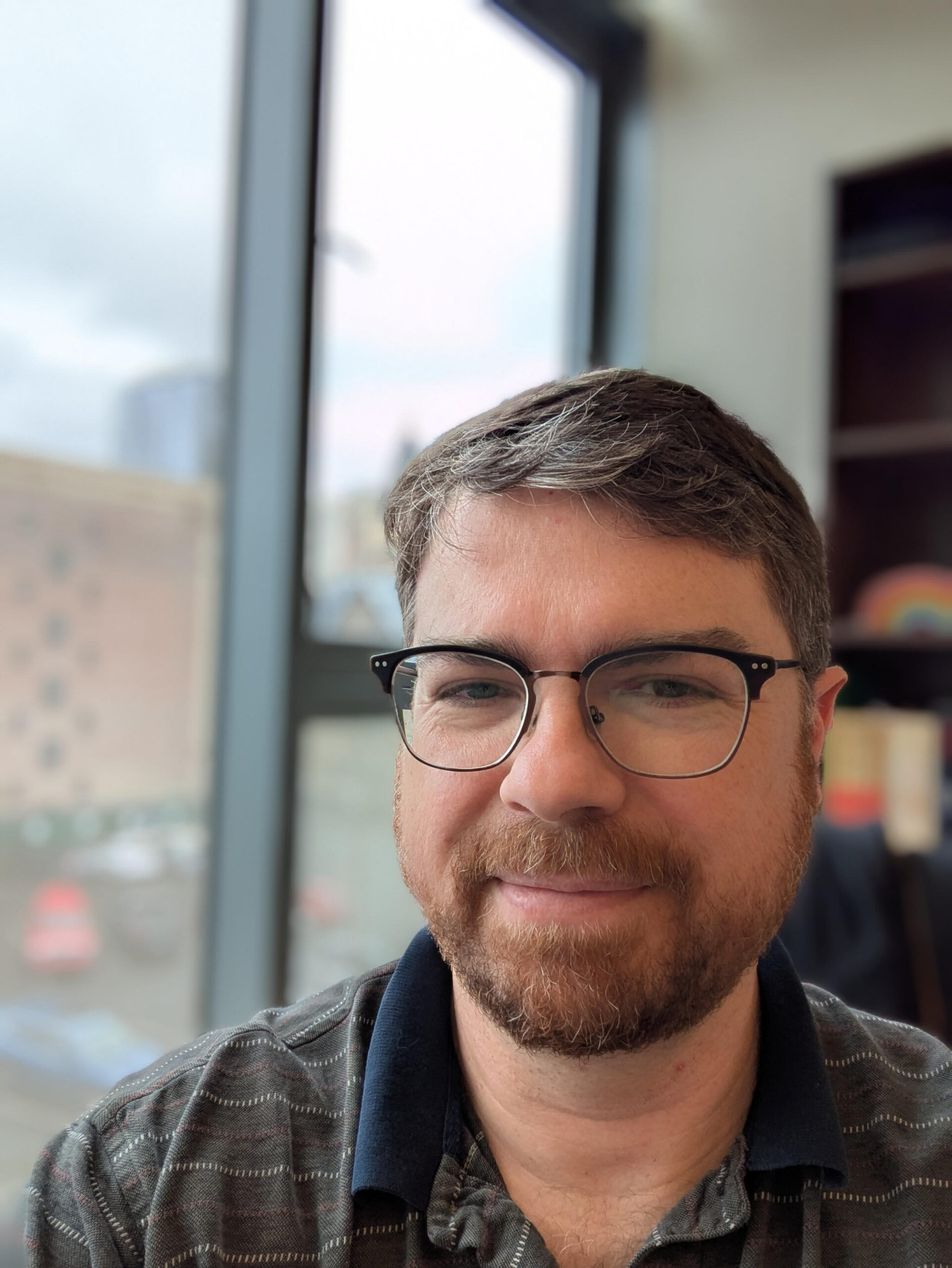 Hanes has taught math and Logic and Rhetoric at NWA before he was chosen for the Dean position. His current role involves leading faculty meetings, helping establish grading procedures and informing our academic policy.
Hanes has an extensive relationship with teaching. He first took a job as an assistant English teacher in Japan. He quickly discovered that he loved education, and when he moved back to the United States he became a full time teacher of speech and debate. Hanes returned to graduate school shortly thereafter, securing his teaching license in mathematics. He was selected for the dean position as a part of the school’s effort to restructure its administration.
A refined leadership model was a necessary step for NWA in the Northwest Accreditation of Independent Schools (NWAIS) reaccreditation process, which requires schools to partake in a self-study every 10 years. Conditions range from streamlining financing to creating a more cohesive organization structure, leading to the creation of the deans’ positions. The school received a list of conditions to meet in order to retain their accreditation.
It was also more cost effective to split the work between four people and pay them as teachers, instead of having two people with the position of administrator. All of the deans were already teachers at the school, meaning the school does not have to pay salaries for new staff.
“We’re saving significant money, and yet, we have more voices,” said Brock Dunn, Interim Head of School. “We have a greater distributive leadership model where more of our people take on more things.”
The school arranged a committee to interview faculty members for the dean position, according to Dunn. The committee evaluated both prior administrative experience and how closely their work matched what Torchia was doing.
“When I was hired I was pleasantly surprised and very nervous, but mostly excited,” said Lisa Colombo, Middle School Dean of Students and Belonging. “I approached this [thinking] ‘I just want to be a helper.’”
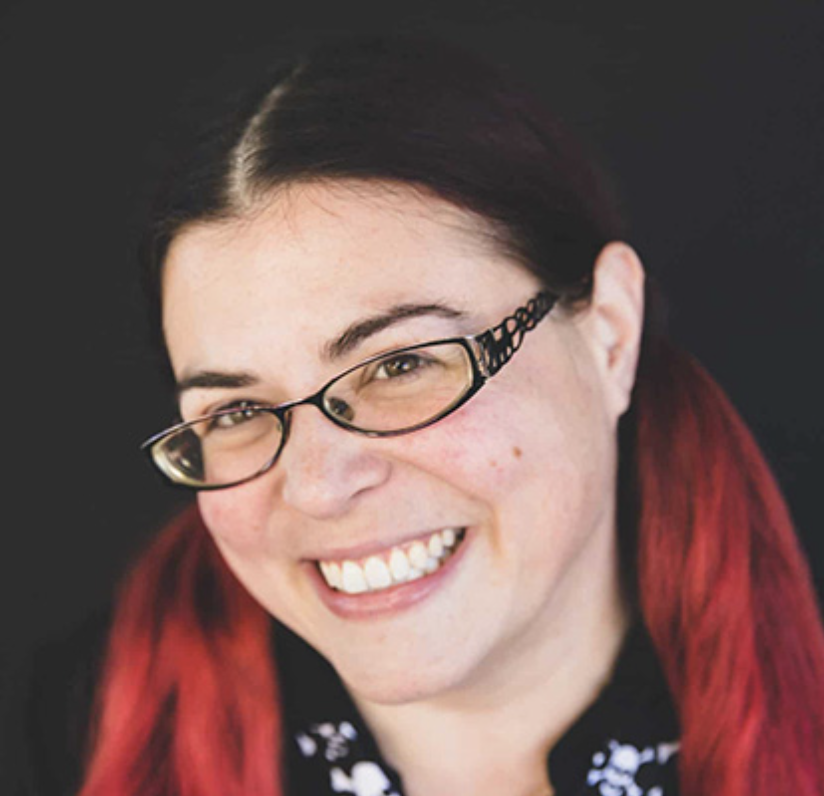 Colombo has since revised the structure of the middle school lunch events, establishing activities students can participate in such as making friendship bracelets, engaging in various competitions and going to the Multnomah County Library as a field trip. Colombo hopes these activities can encourage students to explore different artistic activities while making friends.
Colombo is the newest NWA faculty member among the deans. Originally from Michiagan, Colombo moved to Portland to work at the Oregon Museum of Science and Industry, where she brought science experiments to schools in the Pacific Northwest. She eventually settled down to work at schools in Portland, and came to NWA two years ago.
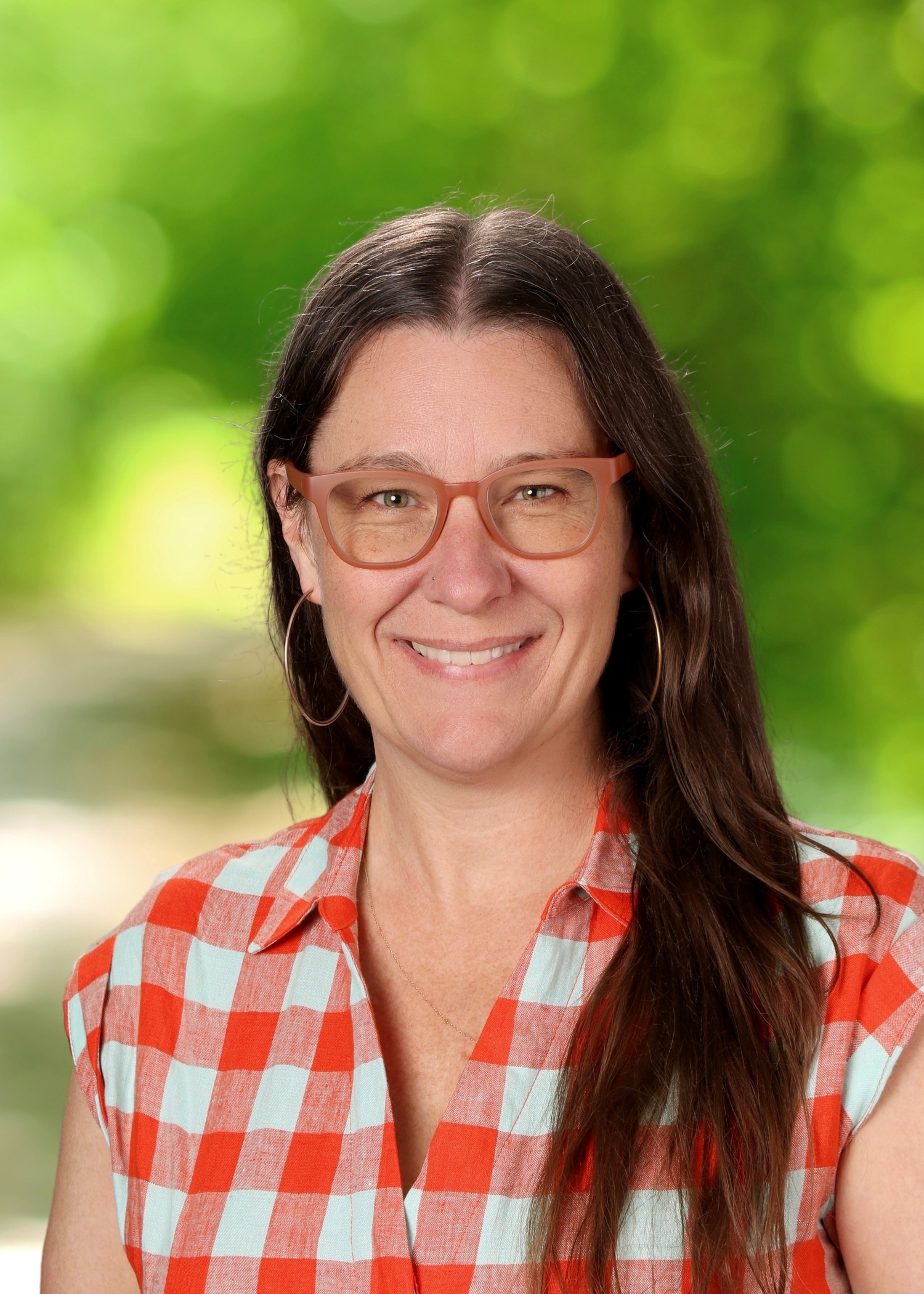 Before the dean positions were proposed, Sharon Weir, Middle School Dean of Studies, had a role similar to her current responsibilities as Assistant Head of Middle School during Torchia’s tenure. Being a dean has allowed her to give more input in decisions for the school. Now she, along with her high school counterpart Hanes, listens to staff opinions so teachers are heard and considered when making curriculum changes.
Weir has been teaching at NWA for over 15 years. She has taught both high school, middle school and a variety of classes such as Ancient Civilizations, Latin Word Roots, Speech and Debate and learning lab. Currently she teaches Project Citizen to seventh graders.
Aaron Thacker, High School Dean of Students and Belonging, has organized projects such as the Coop, a hang out space for high schoolers. Thacker has put up polls in the Coop to get student opinions, and piloted initiatives such as Pigeon Pals. Students have demonstrated interest in the Coop, taking initiative by putting in a pool table and record player. A group of seniors found the table online via a free listing on Craigslist, and rented a moving van to transport it.
Thacker began working at NWA behind the Plaza desk, using the position to learn the rhythms and expectations of the campus before moving into administrative work. His approach to belonging is influenced by his own experiences in school, which he describes as difficult and, at times, unsafe. Growing up in East Texas, he faced bullying that shaped how he thinks about student protection and inclusion, and found a safe space in the theater space.
 “It isn’t an exaggeration to say that the performing arts saved my life,” Thacker said. “Looking back, much of my middle school experience was defined by defense. I spent a lot of my energy protecting myself against peers who targeted me with slurs and physical bullying—often aimed at a sexuality I hadn’t even fully discovered yet.”
Thacker, along with the other deans, aims to create a protective space at NWA, both for teachers and students. The group has created Professional Learning Communities (PLCs) to cultivate more discussion between departments by pairing teachers with co-workers that they may see less often.
“PLCs are a newer thing, it’s an opportunity to have professional development and to learn from each other too.” said Weir, “I’m in humanities, so my opportunities to engage are limited. Being in a PLC means I get to talk to new people.”
The work hasn’t been easy. Colombo has had some challenges in adjusting to the commitment of being both a 7th Grade English Teacher and a dean.
“It’s been a learning curve, because being a dean requires a lot of communication and a lot of big picture thinking,” said Colombo. “It is a balance, figuring out how to be the best teacher I can be for the 7th grade class and be there for all of the middle school students.”
Thacker also carries a large workload. He teaches 6th and 7th Grade Vocals and Broadway Bound. He agrees with Colombo’s sentiment, saying that while the role is often stressful, he still finds it gratifying and rewarding.
The deans pointed out curiosity, enthusiasm, variety and consistency as qualities they want to cultivate within NWA. They focused on the importance of student interest in the curriculum, and how bringing subjects that students care about into the classroom makes it easier to learn. Such an interdisciplinary approach balances out our knowledge as a school, notes Hanes.
“I believe that you as a person don’t learn something unless you are actively participating,” said Hanes. “Build up your basic knowledge in a subject, explore your own interests, do some guided discovery.”
Thacker similarly describes his leadership style as collaborative, though the job often requires balancing competing expectations. He works with students, faculty and the Board, navigating decisions that are not always popular or straightforward.
“I am learning quickly that my vision for Northwest Academy isn’t just ‘mine’—it’s ‘ours,’” said Thacker. “Leading here is a delicate balance of listening to the hopes of our students, the directives of the Board, and the insights of our faculty. My goal is to serve as a bridge between these groups.”
The deans’ teaching and administrative philosophy aims to foster collaboration, uplifting teacher, student and parent voices; and linking various subjects such as academics and art. The unification of multiple perspectives and the combination of creative and pedagogical work all helps to make our school stronger, according to the deans.
“I think the thing that’s beautiful and amazing about our school is not that you have to be an amazing artist to be successful here, but that we think that doing art is going to impact and improve your performance across the board,” said Hanes. “The value of being a creative thinker, the value of being a risk taker, the value of paying attention to craftsmanship– these things matter.”

