Hot off the press:

Commentary: Cuts to NOAA Endanger Us All

NOAA’s educational grant programs fund student organized research, providing educational opportunities to scientifically passionate scholars. 

The Road Warrior: George Miller’s Passion for Action

The Road Warrior feels like the quintessential Mad Max film.

Spain Stood Up to the United States. The Rest of the World Should Follow Suit

The Iran war and the genocide in Gaza are morally wrong and internationally unpopular; the rest of the world should take a page out of Spain’s book and stand up.

Void Of Course

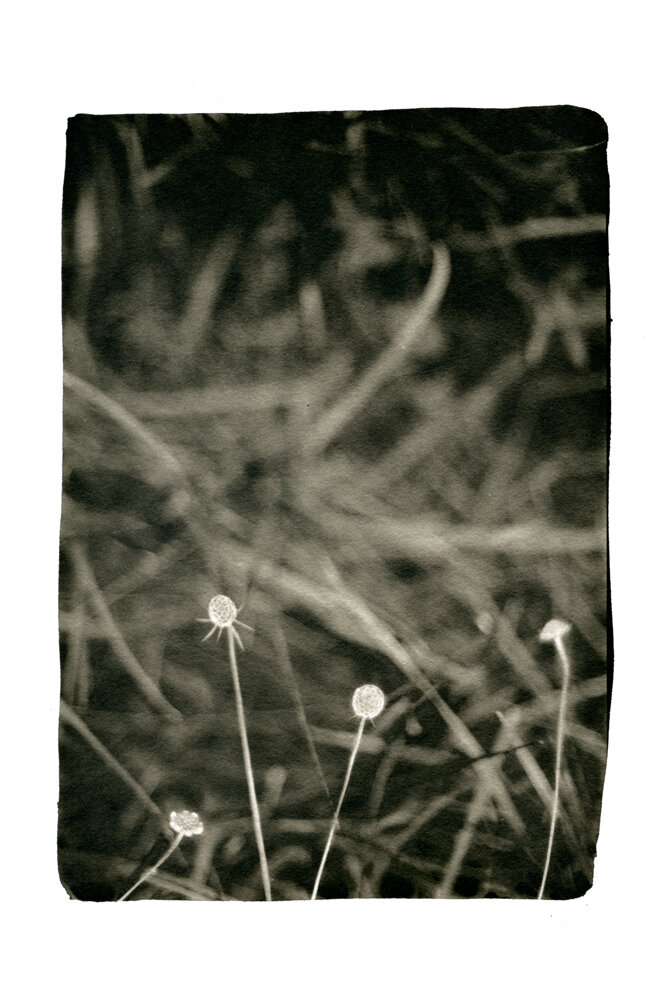
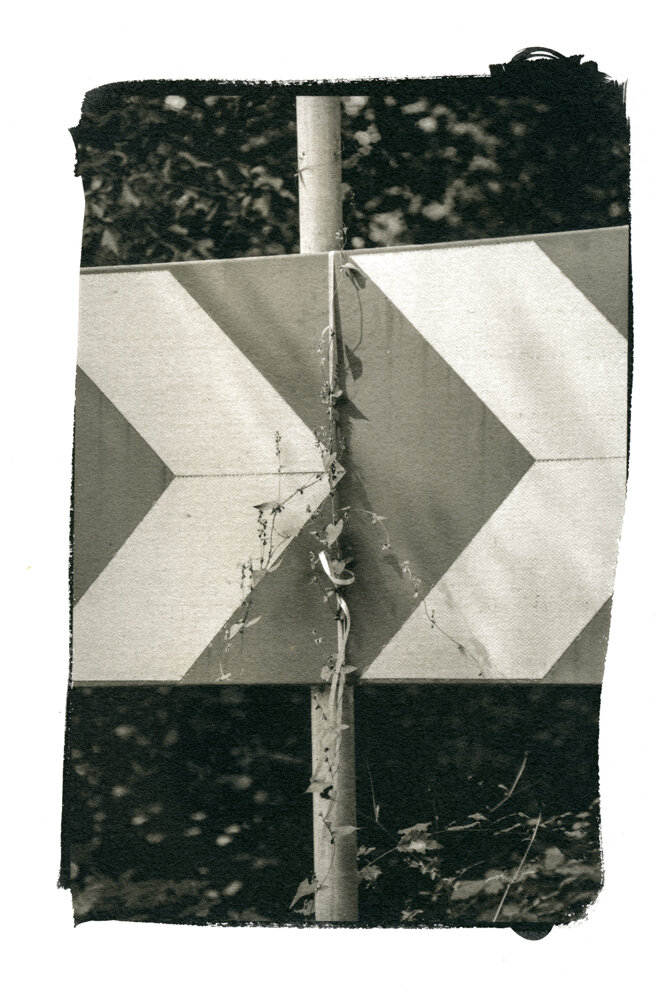
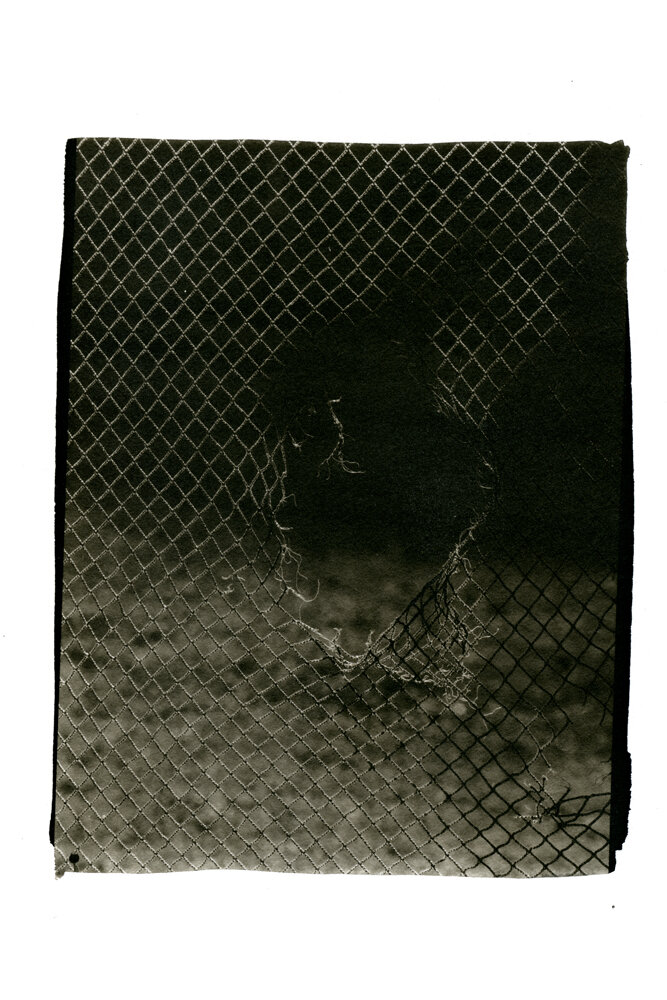
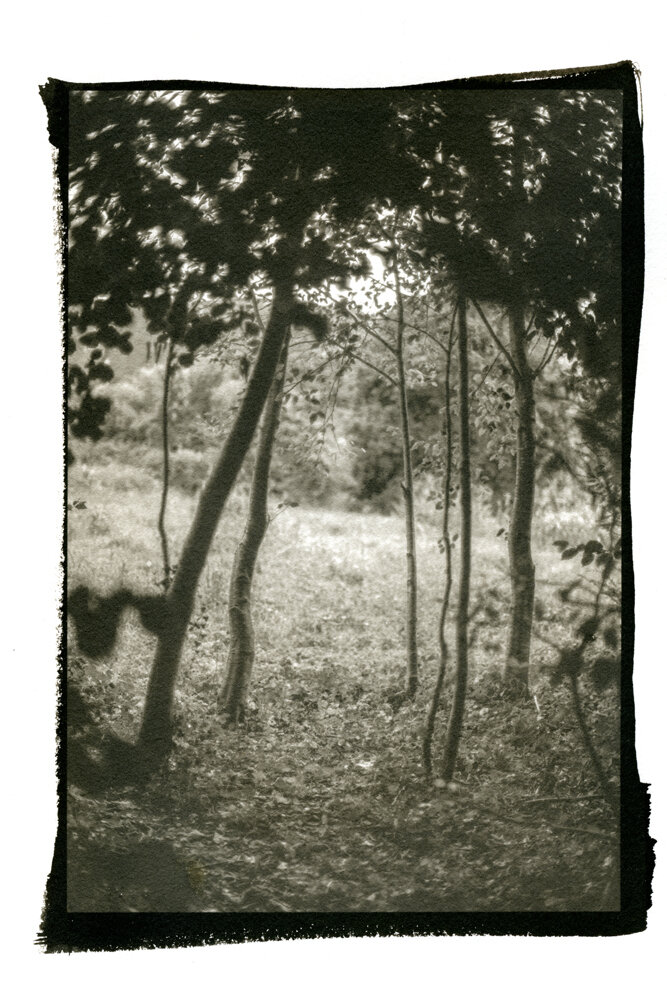
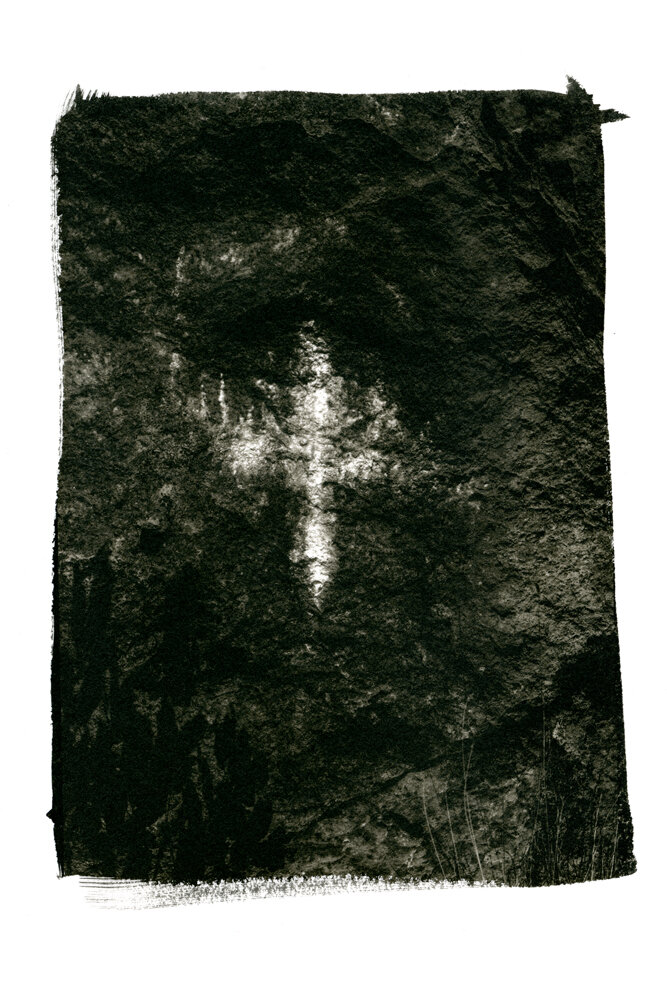
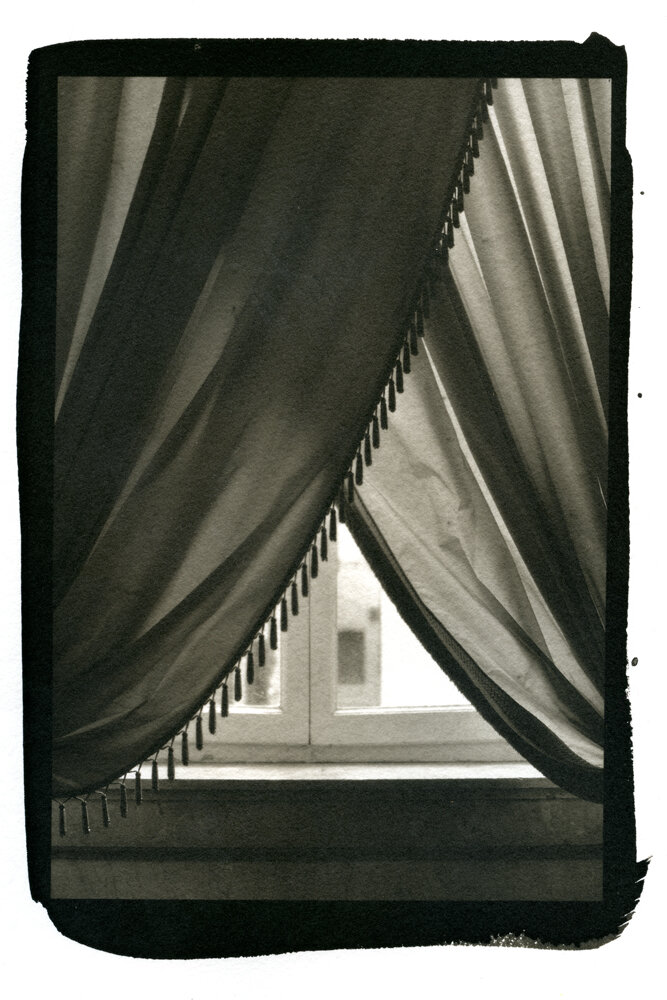
“Void of Course” draws its name from an astrological term that describes a period when the Moon is not making any major aspects before it transitions into the next sign. This phenomenon is often seen as a time when actions may lack direction, and outcomes are uncertain, echoing themes of stillness, liminality and moments of suspension. Through this series, I explore these in-between spaces—moments when clarity is absent, and actions feel adrift. The photographs capture a sense of pause, introspection and the subtle tension of waiting for the next phase to unfold. Through the lens of astrological symbolism, this work seeks to evoke the quiet, drifting feeling that occurs during these pauses — moments when we are untethered, and the path forward is undefined.

The choice to work with platinum prints is a deliberate one. Platinum printing, with its remarkable tonal range and ability to render subtle shades of grey, mirrors the nuanced transitions found in the natural world, particularly in low-light conditions. Unlike other photographic processes, platinum prints allow for a softness and depth that bring out the delicate gradations between light and shadow, echoing the gentle, almost imperceptible shifts we experience during moments of introspection and uncertainty. These prints emphasize the middle tones—the areas that lie between the stark contrasts of black and white. This quality of the platinum process reflects the way our eyes, specifically the rods in our retinas, perceive the world at night. Rod cells are responsible for our ability to see in low light; they detect shades of gray and give us a sense of shape and movement, even when the world is dim and obscured. Similarly, the platinum prints in this series capture an essence of night vision, drawing viewers into a space where details are hinted at, forms are softened and clarity is elusive.
Latest

Commentary: Cuts to NOAA Endanger Us All

NOAA’s educational grant programs fund student organized research, providing educational opportunities to scientifically passionate scholars. 

The Road Warrior: George Miller’s Passion for Action

The Road Warrior feels like the quintessential Mad Max film.

Spain Stood Up to the United States. The Rest of the World Should Follow Suit

The Iran war and the genocide in Gaza are morally wrong and internationally unpopular; the rest of the world should take a page out of Spain’s book and stand up.

Post 58 Gets Teens Out Into Nature

Post 58 is a nonprofit that brings together Portland area teens from different high schools by organizing excursions into the outdoors.

Don't miss

A Portrait of the Teacher as a Bad Man: Why People Get Whiplash All Wrong

Chazelle intended this as a cautionary tale, but there is a greater harm in blending obsession with inspiration. Cinema is a powerful tool, and it’s dangerous when misinterpreted.

NWA Looking to Provide Outdoor Space for Students

Interim Head of School Brock Dunn wants to create a safe outdoor environment behind Tower and Plaza.

American Students Flunk Geography

Only a quarter of students in the United States have a proficient understanding of geography

Reaction: The Supremes – Where Did Our Love Go

The History and Popular Music of the ’60s class learned about The Supremes' breakthrough album, Where Did Our Love Go (1964). Here are their reactions.

Music in Classrooms: Is It Okay for Students to Listen During Class?

Studies show that there are certain genres that are more effective for studying.
Kelli Pennington
Kelli Pennington
Kelli Pennington teaches Black and White Photography and received her MFA from Syracuse University in 2010.

Julian’s Superheroes

I started drawing superheroes to practice my human anatomy and grow my knowledge of human musculature. It has since grown into a hobby.

Photo Story: Ireland

This summer my family took a trip to Ireland.

The Art You Love

"How do others relate to our art?"

2 COMMENTS

LEAVE A REPLY

Please enter your comment!
Please enter your name here